We chose to maintain our hives utilizing best practice of sustainability and environmental awareness that considers our local environment as a whole. Our home of Princeton offers an unparalleled ecosystem that provides the climate and the habitat allowing nature to flourish. With streams, forests, open meadows and hills, Princeton is located on the edge of the Atlantic Coastal Plain and is the beginning of the Allegheny Piedmont on the Princeton Ridge. We believe that human beings need to be conscience that they are not the only creature that lives within this land. We need to recognize this blessing bestowed upon us and acknowledge the needs of other creatures that live with us. Beekeeping is not an exception to these considerations. While bees provide excellent pollination and contribute to the bounty of the land we must recognize the need to share this bounty with other creatures.
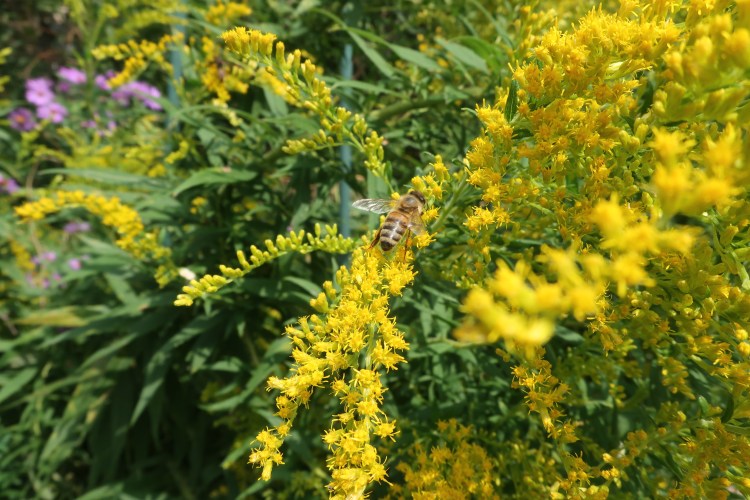
In siting our hives, we take the time and put the effort forth to consider all of effects that the hives may have on the micro-environment of the proposed apiary. We consider trees and plants for pollination, sources of water that all living organisms need, along with sunlight and shading to develop the most stress-free locations for the bees. We also look at the surrounding, larger environment to consider the threats or negative environmental factors such as commercial farming that uses chemical-based pesticides on crops. We want to keep our hive counts to a limit that represents a sustainable level of resource utilization. We do not utilize industrialized scales of beekeeping. While we fully understand the necessity of the commercial industry as migratory pollinators of crops to help feed the needs of a hungry world, we know that stationary apiaries must share the resources and not compete with the native fauna. Bees can travel up to five miles in search of nectar and pollen, but typically, based upon the nectar flows, will stay within a half mile of their hive. When large static apiaries of twenty or thirty or more hives are created, they can unleash hundreds of thousands of foraging honeybees which can deplete the resources needed by other native pollinators. Many of these other native pollinators are endangered and an overpopulation of our European Honeybees could threaten their survival.
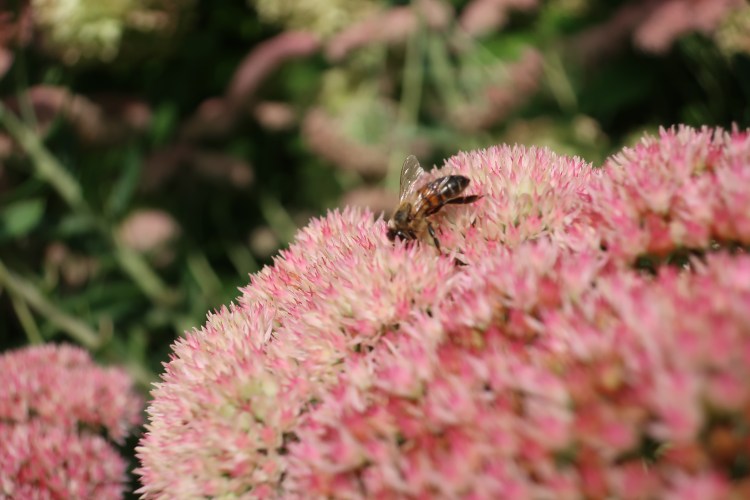
We follow organic methodology with managing our bees. However, in 1995, a European mite, Varroa Destructor was accidentally introduced into Florida. Within a few years the Varroa had spread completely across North and South American, from Alaska to Argentina. Attacking honeybee larva in the comb, it cripples and weakens new bees, contributing to a weakened hive, creating vectors for viruses that contribute to colony collapse. Nationally, over winter losses during 2019-2020, of managed hives, were near 40%, and feral hives near 95%. In order to control this pest, we are utilizing organic compounds approved by the United States Department of Agriculture for organic farming. In addition, we are in the process of introducing Varroa Sensitive Hygienic bees (VSH). These bees were initially bred by the USDA bee laboratories from mite resistant survivor stock and are able to find Varroa in the brood comb and remove it, therefore destroying it. (See VSH Bees)
 Princeton Apiaries