THE TRUTH ABOUT ORGANIC HONEY
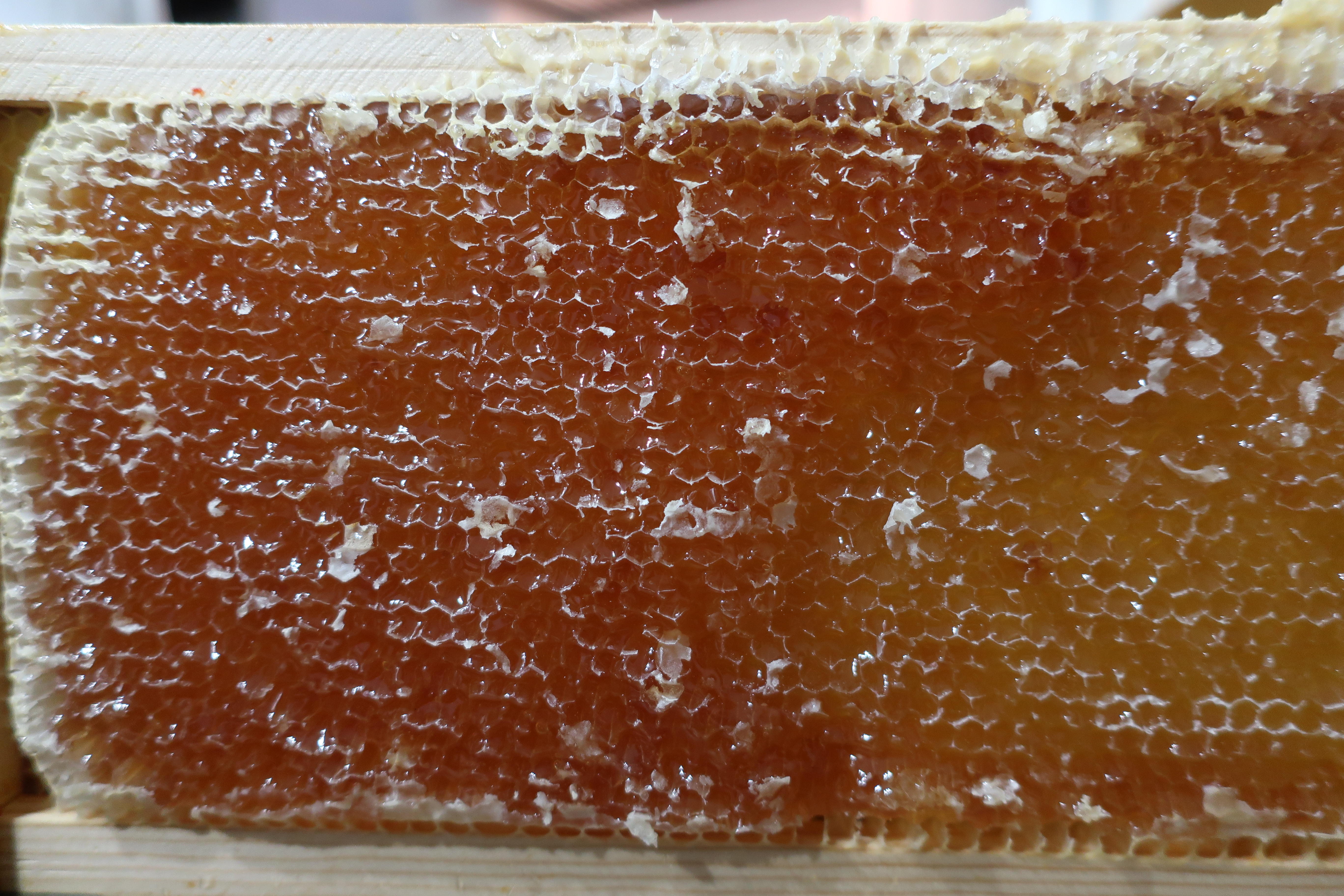
As of 2022, honey cannot be certified organic by the USDA. Any USA Certified Organic honey sold in the United States is imported from other countries and certified organic by that country. A US beekeeper can have non-certified organic honey that is raised organically. But it is nearly impossible to produce organic honey. Also, beekeepers are currently unable to make any organic claims.
“CERTIFIED” ORGANIC HONEY
It’s tough making sense of all the honey available. That is because there are lot of gray areas for the casual honey shopper. I think egg shopping is more straight forward than buying honey off the shelf. And we all know how confusing egg packaging can be.
This is the most popular organic honey on Amazon and is sold by Whole Foods. It has the USDA Organic Seal and also says US Grade A on it. If you look at the honey (click the 2nd image below) the back label says its a product of Mexico, Uruguay and Brazil. All 3 countries!. Yikes…You will find this is true of all certified organic honey in the US.
THE LEGAL DILEMMA
The USDA, who certifies organic foods never adopted (as of 2019) standards to certify honey as organic. Organic isn’t an adjective or a sign for natural food. It is a certification given by the government, specifically, the USDA. This is a certification with some really strict guidelines by the way.
Because the USDA has no standard for organic honey, not a single US beekeeper can legally label or tell consumers their honey is organic. It’s unfortunate, but it’s the nature of the beast. Here at Princeton Apiaries, we follow what we feel are “Best Practices” avoiding any chemical miticides or treatments that are not organically based. This is a reasonable and respectable goal for any beekeeper.
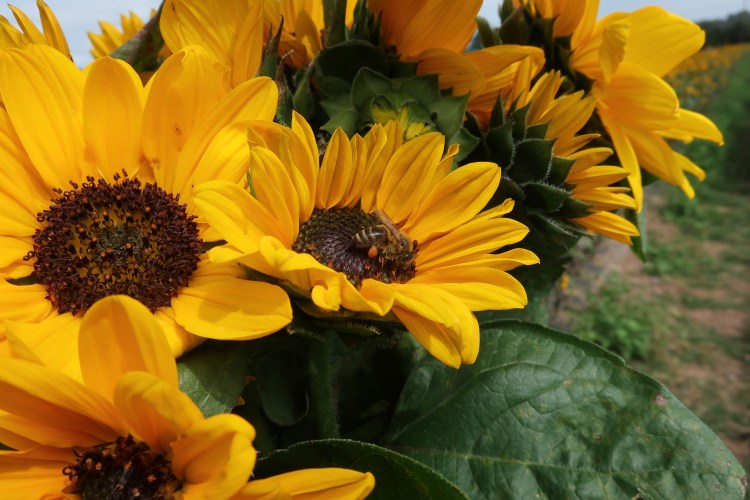
Hand Picked
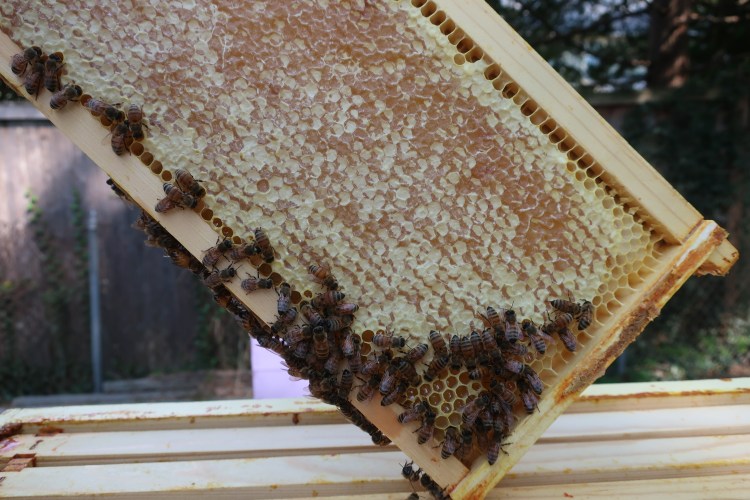
Hand processed
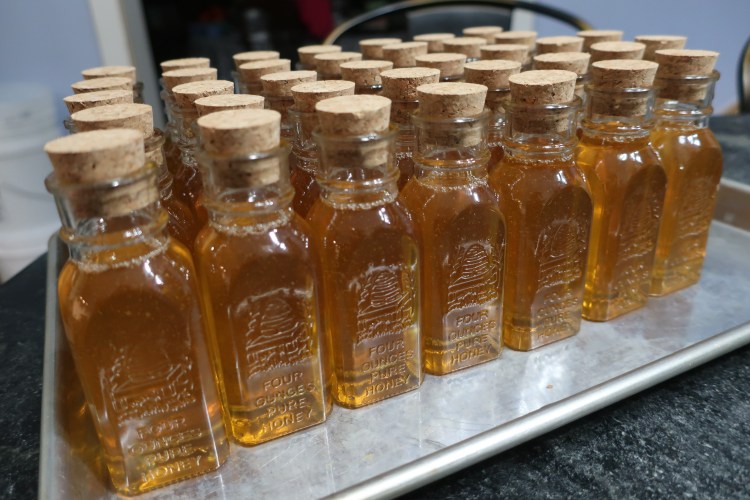
Hand packed
THE MORAL DILEMMA
Bees forage three miles in all directions around the hive and possibly up to five miles around the hive for pollen and nectar. This is an area of just over 78 square miles of potential forage for one hive. Even if the bees foraged for three miles, that’s 28 square miles.
In the 28-78 square miles, the plants must be free of fungicides, pesticides, and synthetic fertilizers. They must also not be genetically modified. These four requirements alone make organically produced honey practically impossible for any US based beekeeper. Any US beekeeper labeling their honey as organic would be significantly bending the truth to increase profit and sales.
BUT WHAT ABOUT THE USDA CERTIFIED ORGANIC HONEY AT THE HEALTHY FOOD STORES?
The USDA recognizes the organic certifications from other countries and all of organic honey is from other countries. Brazil, Mexico and Canada produce most of the organic honey sold in the US. Read all about it here.
WHAT ABOUT RAW HONEY?
When it comes to buying honey in the United States, the best option is to buy honey that is labeled “Raw”. This means that the honey has never been heated, or only been heated to a temperature the bees are naturally able to get the honey temperature too. This is typically around 100°F. Inside a hot beehive on a hot day, the honey can get that warm inside the hive.
The rule of thumb beekeepers use is to keep the honey temperature below 105°F. Above 105°F, the natural enzymes in the honey start to degrade, so you can be assured that the honey is still raw. Usually raw honey is also unfiltered or “gently strained”. This means that the strainer or filter used to remove debris from the honey is course enough to let 100% of the pollen and enzymes through, but small enough to keep bits of wax and debris out of the honey. This is something that nearly all beekeepers do before bottling.
Honey that has been labeled “Grade A” has always been ultra-filtered and likely heated to remove any pollen or other small particles out. It’s best to buy honey that has not been graded by the USDA. That sounds counterintuitive, but the USDA standards for honey are backward and require all honey to be ultra-filtered and heated. So avoided “Grade A” honey if you want want the natural enzymes still in your honey.
 Princeton Apiaries