As we expand our apiaries, we are always looking for new productive sites that fit into our mission of developing healthy colonies within sustainable and organic practices. These apiaries can range from in-town mini garden apiaries consisting of two or three hives to pollinator yards of up to a dozen hives when forage and environmental conditions warrant the need. Not all sites are suitable for bees, local forage, water sources, sunlight and access (Hey, beehives are heavy!) along with several other factors need to be considered for successful adaptation of the hives. Also, we always place hives in groups of two or more to allow for monitoring comparison and to share resources between hives. Interested in hosting some hives? Give us a call or email us-only a few apiaries are available each year! As an added bonus, our Hosts are gifted a few bottles of honey each year-what’s better than “Very Local Honey” from your own backyard!
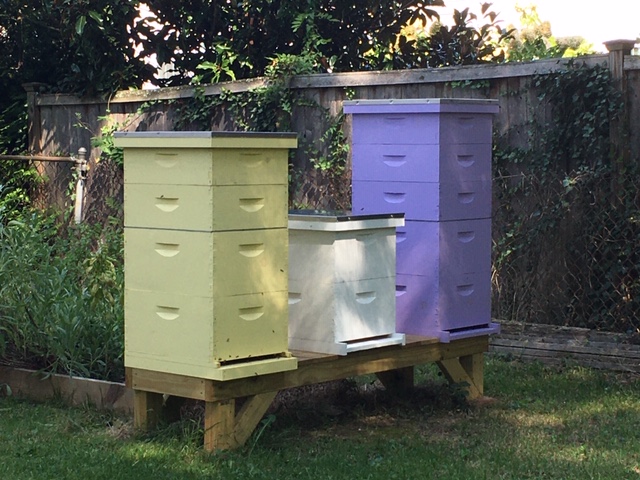
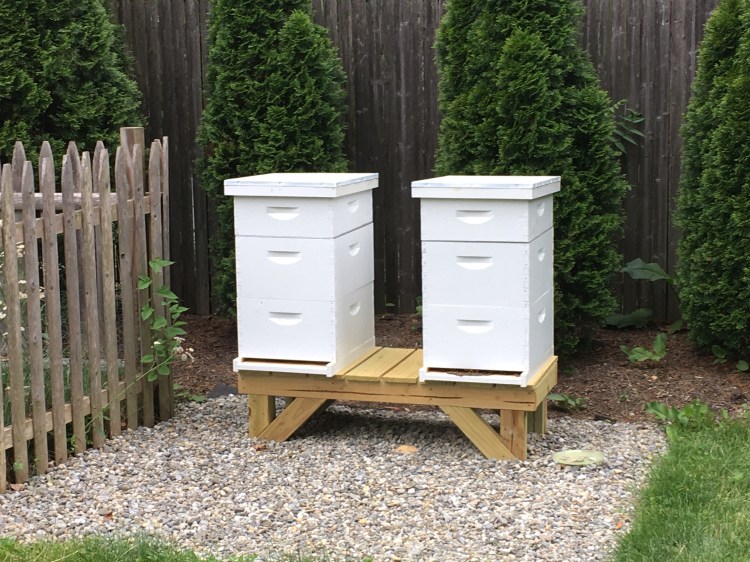
Larger property owner may consider hosting hives to preserve or establish farmland assessments. On properties with extensive fields or meadows we can place several clusters of colonies which will provide pollination to your gardens and orchards along with improving the property’s overall environment. On larger properties, hives can be placed along wood rows or in fields and have little or no impact on land use.
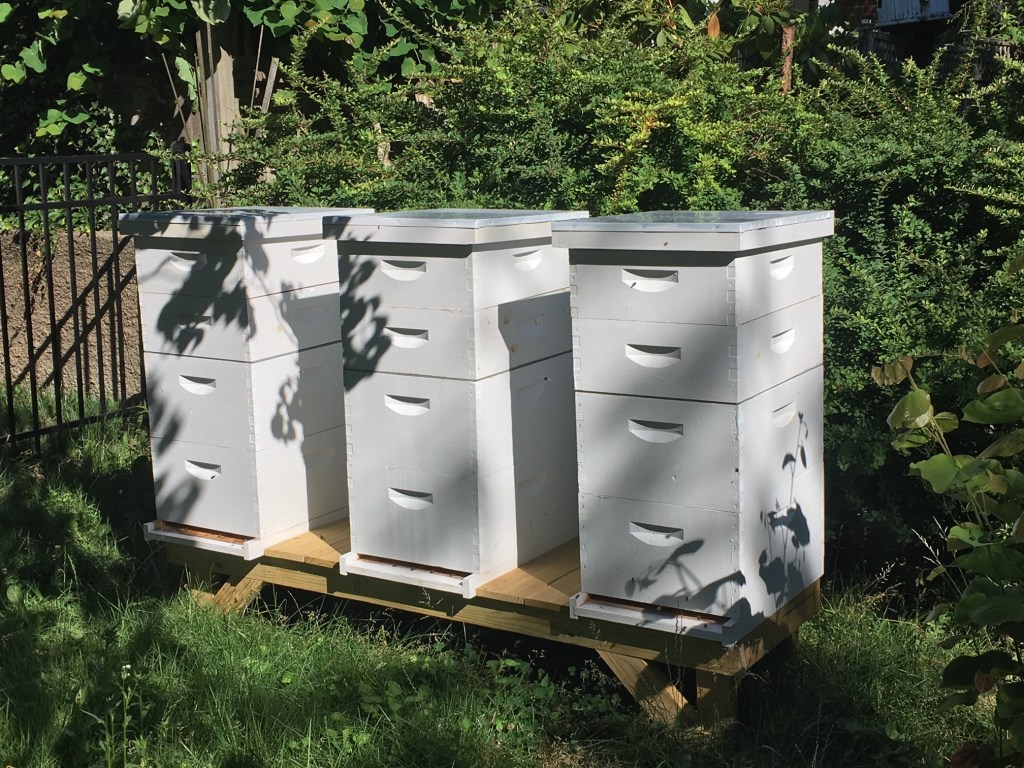
Corporate Campuses We are interested in talking with owners, property managers and developers of large corporate campuses who may have or are considering putting portions of your properties into farmland assessments. In many cases, the headaches and unsightliness of commercial row crops blocking views, noise, chemical treatments and limiting land uses maybe unnecessary. Perhaps you are unhappy with the costs of maintenance of extensive grass lawns and might be interested in natural landscaping which could fulfill the requirements of farmland assessments along with providing a beautiful amenity for your staff, employees and tenants. Contact us-we have a proposal for you!
Garden Apiaries of two or three hives can be placed on smaller in-town properties. State regulations allow up to 3 hives on properties under 1/4 acre, ideal for an active gardener who wants to have vibrant flowers and productive vegetable gardens. Hives need to be offset from walkways and allow at least a 10-foot flyway in front to allow the bees room for takeoffs and landings. These small buffers can be planted as part of your garden and be sensibly accessed by the gardener for planting, weeding and harvesting.
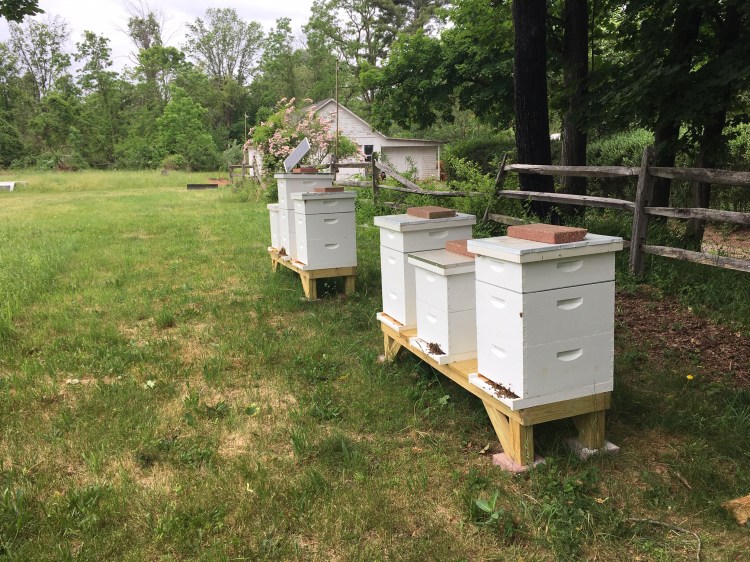
Agricultural areas, Farms and CSA’s we can provide a pollination partnership with local farmers to help improve your crop yields and vitality of your fields with fixed year-round apiaries. We follow an organic IPM methodology and restrict our partnerships to agricultural entities that also follow organic practices. We look for proper crop rotation over the course of the growing season to provide continued forage, clean water sources and a secure location for our bees. Let’s talk!
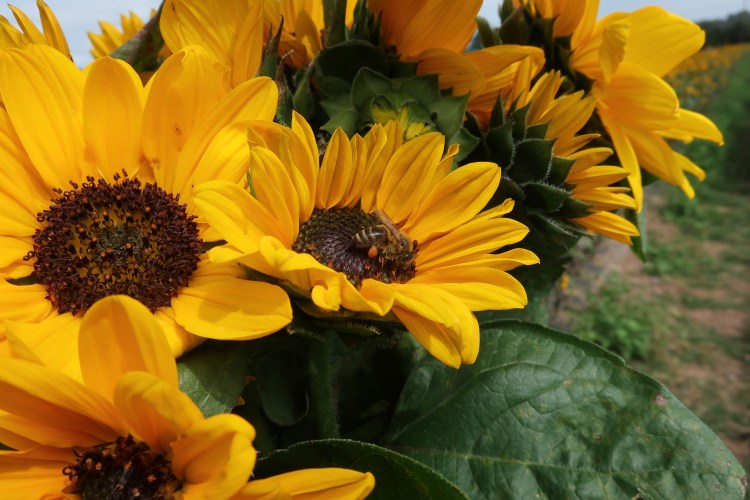
NOTE: March 2024- We have three- double hive “mini-apiaries” available for later this Spring-April/May. They are most suitable for in town/small yards. If you messaged us last year after we had already committed last season’s hives and are still interested, please reach out again. Availability is always limited, and we have to be selective to insure the bee’s productivity and survival. Please consider the guideline of sighting notes in the first paragraph of this page and remember while we’d like to place hive in as many places as possible, not all sites are suitable for hives.
We are also looking for larger tracts that could support 10-20 breeding hives (small nucleus or colonies) as we increase our Verroa Sensitive Hygenic (VSH) stock. Typically, we look for 5 acre or larger tracts in Princeton Township, Cherry Valley, Montgomery and into Hopewell.
Please keep in mind that while we use gentle Italian bees, all bees can sting when they feel threatened. If you are considering hosting hives, we are hoping that you can commit to the full season as hive become harder to relocate as the grow out during the summer.
Contact us now so we can prepare for the girls’ arrival.
 Princeton Apiaries